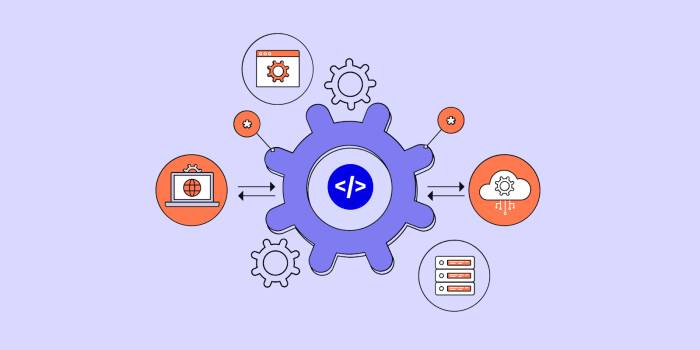
Business Software Integration for Modern Efficiency
Business Software Integration is revolutionizing how organizations operate, blending various systems and applications seamlessly to enhance productivity and streamline processes. In today’s fast-paced environment, integrating software solutions is not just beneficial but essential for maintaining competitive advantage. This integration fosters better collaboration, reduces redundancies, and improves the overall operational efficiency of businesses.
The significance of business software integration lies in its ability to connect disparate systems, allowing for real-time data access and improved workflows. By harnessing the power of integration, companies can make informed decisions faster, adapt to market changes seamlessly, and ultimately serve their customers better. In this overview, we will delve into various integration methods, the key challenges faced, best practices for success, and future trends shaping this vital aspect of business strategy.
Definition and Importance of Business Software Integration
Business software integration involves the seamless connection of various software applications within an organization, enabling them to communicate and share data effectively. This integration allows different departments and functions to work together more efficiently, leading to improved productivity and reduced operational silos. In the rapidly evolving digital landscape, the ability to integrate software solutions is critical for companies seeking to maintain a competitive edge.The significance of integrating software in modern business environments cannot be overstated.
As organizations grow, they often adopt multiple software solutions tailored to specific tasks. However, these disparate systems can create data silos that hinder collaboration and insight. Integrating these systems streamlines workflows, enhances data accuracy, and fosters a unified view of business operations. A well-integrated software ecosystem not only saves time but also reduces the risk of errors associated with manual data entry between systems.
Benefits of Software Integration for Operational Efficiency
Integrating software solutions offers numerous benefits that enhance operational efficiency. The following points highlight key advantages of software integration:
- Improved Data Accuracy: Integration minimizes data duplication and ensures that all systems reflect the same, up-to-date information, leading to more reliable decision-making.
- Time Savings: Automated data transfers between systems eliminate the need for manual input, freeing up employee time for more strategic tasks.
- Enhanced Collaboration: A unified platform allows teams to access shared data and insights, promoting collaboration across departments and improving overall coordination.
- Cost Efficiency: Streamlined operations reduce operational costs by optimizing resource use and decreasing the potential for errors that could lead to financial losses.
- Scalability: Integrated systems can easily adapt to changing business needs, allowing organizations to scale their operations without the need for extensive reconfiguration.
- Better Customer Experience: With integrated software, businesses can provide more personalized services and timely responses to customer inquiries, enhancing overall satisfaction.
“Integration not only streamlines processes but also transforms how organizations leverage technology to enhance productivity and drive growth.”
The move towards integrated software systems is not just a trend but a necessity for businesses aiming to thrive in today’s competitive environment. Companies embracing software integration can expect not only improvements in efficiency but also a significant boost in their ability to innovate and respond to market demands.
Types of Business Software Integration
Business software integration is a crucial aspect of modern enterprises, allowing different systems to communicate effectively, share data, and streamline operations. Understanding the various types of software integration can help businesses choose the right approach for their specific needs and objectives.Integrating software systems can occur through several methods. Each integration type offers unique benefits and challenges depending on the business’s size, complexity, and specific requirements.
Below, we discuss the most common types of software integration methods, highlighting their distinctions and applicable contexts.
API Integration and Middleware
API (Application Programming Interface) integration is one of the most prevalent methods for connecting different software applications. APIs allow different systems to interact and share data seamlessly, enabling businesses to streamline workflows and enhance productivity. Middleware serves as a bridge between disparate applications, facilitating communication and data exchange without requiring direct connections between each system.The choice between API integration and middleware often depends on the complexity of the systems involved.
While APIs can provide a more direct and efficient connection, middleware solutions can simplify the integration of multiple applications that may not be designed to communicate directly.
Point-to-Point and Hub-and-Spoke Integration
Integration architectures can be broadly categorized into point-to-point and hub-and-spoke models. Each has its own advantages and disadvantages that impact how businesses approach their integration strategies.Point-to-point integration involves creating a direct connection between two systems. This method can be efficient for simple integrations where only a few systems need to communicate. However, as the number of systems increases, maintaining numerous direct connections becomes challenging and can lead to increased complexity.Hub-and-spoke integration centralizes communication through a single hub or intermediary.
This model allows multiple systems to connect to the hub rather than directly to each other. Such a setup can simplify management and offer better scalability as new systems can be added without disrupting existing connections.
- Advantages of Point-to-Point Integration:
- Simple and straightforward for a limited number of systems.
- Faster setup and lower initial costs.
- Disadvantages of Point-to-Point Integration:
- Scalability issues as the number of connections grows.
- Higher maintenance efforts required for multiple connections.
- Advantages of Hub-and-Spoke Integration:
- Scalability and easier management of connections.
- Reduces the complexity of individual system communication.
- Disadvantages of Hub-and-Spoke Integration:
- Potential for a single point of failure at the hub.
- Higher initial setup costs and complexity in configuration.
“The choice of integration method can significantly influence the efficiency and effectiveness of business operations.”
Understanding these integration types allows businesses to make informed decisions tailored to their specific operational needs and long-term goals.
Key Challenges in Business Software Integration

Source: decipherzone.com
Business software integration is a crucial process for companies aiming to enhance efficiency and streamline operations. However, this journey is often fraught with challenges that can hinder progress and lead to potential failures. Understanding these challenges is essential for businesses to effectively navigate the integration landscape.One of the most significant hurdles faced during software integration is the complexity of connecting disparate systems.
Often, businesses utilize a variety of software solutions that may not be inherently compatible with each other. This incompatibility can lead to data silos, where information is trapped in one system and not easily accessible from others. Additionally, the sheer volume of data that needs to be transferred and synchronized can overwhelm systems, causing delays and errors.
Common Obstacles in Integration Processes
Several common obstacles present themselves during the integration of business software, impacting the overall efficiency and effectiveness of the process. Awareness of these challenges allows businesses to prepare and implement strategies that can minimize their effects.
- Data Quality Issues: Inconsistent or poor-quality data can lead to incorrect integrations, resulting in flawed analytics and decision-making. Ensuring data accuracy before integration is essential.
- Resource Constraints: Many organizations may lack the technical expertise or sufficient manpower to execute integration projects effectively. This can lead to delays and increased costs.
- Change Resistance: Employees may resist changes to established processes, creating friction during the integration process. Effective change management strategies must be implemented to ease transitions.
- Integration Costs: The financial implications of software integration can be significant, involving licensing fees, development costs, and potential downtime during the transition.
Potential Risks Associated with Software Integration
Navigating the integration process involves recognizing and addressing potential risks that can arise. By identifying these risks, companies can implement preventive measures and contingency plans.
- Security Vulnerabilities: Integrating systems can expose businesses to security risks, particularly if data is transferred over unsecured networks. Implementing robust security protocols is critical.
- Downtime: Integration activities may require temporary system outages, which can disrupt business operations. Scheduling integrations during off-peak hours can mitigate this risk.
- Loss of Data: During the transfer process, there is a risk of data loss or corruption. Regular backups and verification processes are vital to ensure data integrity.
- Regulatory Compliance: Failure to comply with industry regulations during integration can result in legal penalties. Businesses must be aware of compliance requirements relevant to their operations.
Strategies to Mitigate Integration Challenges, Business Software Integration
Effectively addressing the challenges and risks of business software integration involves adopting targeted strategies that foster a smoother transition. These strategies can help businesses minimize obstacles while maximizing the benefits of integration.
- Thorough Planning: A detailed integration plan that Artikels timelines, resources, and responsibilities can set clear expectations and reduce the potential for misunderstandings.
- Incremental Integration: Implementing integration in phases, rather than all at once, can minimize disruption and allow for troubleshooting as issues arise.
- Regular Communication: Keeping all stakeholders informed throughout the integration process promotes buy-in and helps to address concerns quickly.
- Utilizing Integration Tools: Leveraging middleware or integration platforms can simplify the process by providing pre-built connections between commonly used software solutions.
Best Practices for Successful Integration

Source: clickup.com
Successful software integration requires strategic planning and execution to achieve desired outcomes. Adopting best practices throughout the integration process can significantly enhance efficiency, reduce errors, and lead to better overall results. It is essential to focus on the various aspects of integration, from preparation to execution, ensuring that every step is thoughtfully considered.Planning and documentation play a crucial role in the integration process.
A well-defined plan acts as a roadmap, guiding the team through each phase of the project, while thorough documentation ensures that everyone is on the same page and can easily track progress and changes. This foundation helps prevent misunderstandings and miscommunication among stakeholders.
Key Best Practices for Integration
Implementing the following best practices will enhance the likelihood of successful software integration:
Define Clear Objectives
Establish specific goals for the integration project. Identifying what success looks like will help in measuring outcomes effectively.
Engage Stakeholders Early
Involve all relevant stakeholders from the onset. Their insights and feedback will be invaluable in shaping the integration strategy.
Build a Comprehensive Plan
Draft a detailed integration plan that Artikels timelines, resource allocation, and responsibilities. This plan should also include risk assessments and mitigation strategies.
Prioritize Testing
Thoroughly test the integration before going live. This step can help identify issues early on, reducing the risk of costly disruptions later.
Ensure Scalability
Design the integration architecture to accommodate future growth. Ensuring that systems can scale will save time and resources down the line.
Provide Training
Equip team members with the necessary skills and knowledge through training sessions. Familiarity with the new systems will ease the transition and enhance productivity.
Monitor and Evaluate
Continuously monitor the integration process and evaluate outcomes against the established objectives. Regular assessments will help identify areas for improvement.
Role of Planning and Documentation
Effective planning and detailed documentation are fundamental components of a successful integration strategy. A solid plan not only Artikels the integration steps but also helps in allocating resources efficiently. Documentation serves as a reference point for the project team, offering clarity on the objectives, timelines, and processes involved.Utilizing tools such as project management software can aid in tracking progress and maintaining documentation.
This approach ensures that all team members are informed about their responsibilities and can contribute effectively to the integration efforts. Additionally, well-documented processes can serve as a guide for future integration projects, facilitating smoother transitions and promoting best practices.
Step-by-Step Approach to Executing Software Integration
Adopting a structured approach to software integration can enhance the efficiency and effectiveness of the process. Here’s a step-by-step guide to executing a successful integration project:
1. Initiation Phase
Define the project scope, objectives, and stakeholders involved. Create a preliminary project charter to Artikel the essential details.
2. Planning Phase
Develop a comprehensive integration plan, detailing timelines, resources, and key milestones. Include risk management strategies to address potential challenges.
3. Design Phase
Map out the integration architecture, including data flows, system interactions, and interfaces. Make design decisions that consider future scalability and flexibility.
4. Development Phase
Begin the actual integration work, coding necessary interfaces and data transfer protocols. Keep documentation updated throughout this phase.
5. Testing Phase
Conduct rigorous testing to ensure all components function as intended. This includes unit testing, system testing, and user acceptance testing.
6. Deployment Phase
Roll out the integration in a controlled manner, ideally using a phased approach to minimize disruption.
7. Post-Implementation Review
After the integration is live, hold a review to assess the project’s success against the initial objectives. Gather feedback from users and stakeholders for future enhancements.By adhering to these best practices and following a systematic approach, organizations can position themselves for successful software integration, paving the way for improved operational efficiency and enhanced business outcomes.
Tools and Technologies for Software Integration: Business Software Integration

Source: webflow.com
In the fast-paced world of business, the right tools and technologies for software integration are essential for streamlining processes and enhancing productivity. With a plethora of options available, organizations can choose from various integration platforms that cater to their unique needs and operational environments. Understanding the landscape of these tools can empower businesses to make informed decisions that align with their integration goals.Integration tools serve the purpose of enabling different software applications to communicate effectively, share data, and work together seamlessly.
They range from simple point-to-point connectors to comprehensive enterprise service buses (ESBs) that facilitate complex integrations across multiple systems. Below are some popular software integration tools in the market, each offering unique functionalities to suit different business requirements.
Popular Software Integration Tools
When evaluating software integration tools, it’s crucial to consider their capabilities and how they fit within your existing technology stack. Here are some widely recognized tools that have made a mark in the integration landscape:
- Zapier: Ideal for small to medium businesses, this tool allows users to create automated workflows between various web applications without the need for coding. It supports thousands of integrations, making it a versatile choice for many users.
- Microsoft Power Automate: This platform enables users to automate workflows between Microsoft services and third-party applications. It’s particularly beneficial for organizations already using Microsoft products, as it integrates seamlessly with them.
- Integromat (now Make): This powerful automation tool offers a visual approach to building integrations and automating tasks. Users can connect apps and services, manipulate data, and set up complex workflows.
- MuleSoft Anypoint Platform: A comprehensive integration platform that supports APIs and microservices, MuleSoft is suited for larger enterprises needing robust integration capabilities across diverse systems.
- Apache Camel: An open-source integration framework that provides a rule-based routing and mediation engine. It’s best for developers looking to create custom integration solutions using Java.
- IBM App Connect: This tool enables businesses to integrate applications and automate workflows with a focus on enterprise solutions. Its capabilities include real-time synchronization and sophisticated data transformations.
Comparison of Integration Platforms
Understanding the functionalities and features of different integration platforms is vital to selecting the right tool. Various factors such as ease of use, scalability, and support for different protocols influence the decision-making process. Below is a comparative overview of the tools mentioned:
| Tool | Target Users | Key Features | Best For |
|---|---|---|---|
| Zapier | Small to medium businesses | No-code automation, extensive app support | Quick and easy integrations |
| Microsoft Power Automate | Microsoft ecosystem users | Built-in templates, easy Microsoft integration | Automation within Microsoft products |
| Integromat (Make) | Developers and advanced users | Visual workflows, extensive data manipulation | Complex integrations |
| MuleSoft Anypoint Platform | Large enterprises | API management, hybrid integration | Enterprise-scale integration |
| Apache Camel | Developers | Open-source, flexible routing | Custom integration development |
| IBM App Connect | Enterprise organizations | Real-time integration, data transformation | Complex enterprise workflows |
Choosing the Right Tools Based on Business Needs
Selecting the appropriate software integration tool hinges on a thorough understanding of your business’s specific requirements. Factors to consider include:
- Integration Complexity: Assess whether the integration tasks are simple or require complex workflows. Simpler tasks may be best suited to no-code platforms like Zapier, while complex needs might necessitate robust solutions like MuleSoft.
- Scalability: Evaluate the potential growth of your business and choose a platform that can scale alongside your needs, ensuring long-term viability.
- Technical Expertise: Consider the skill level of your team. Simple tools may suffice for teams lacking extensive technical resources, while more complex tools may require advanced knowledge.
- Budget Constraints: Determine your budget for integration solutions. Some tools, especially enterprise-level platforms, can be costly, so weighing costs against capabilities is important.
- Existing Technology Stack: Ensure that the integration tool can work with the existing applications and services your business utilizes to avoid compatibility issues.
Case Studies of Successful Business Software Integration
The integration of business software systems is a critical step for organizations aiming to enhance efficiency, streamline processes, and ultimately drive growth. Several companies have embraced software integration to overcome challenges and achieve remarkable results. This section delves into specific case studies of businesses that have successfully navigated the integration landscape, showcasing their strategies and the tangible benefits they reaped from their efforts.
Salesforce and Slack Integration
Salesforce, a leader in customer relationship management (CRM), successfully integrated its platform with Slack, a collaboration hub. This integration aimed to enhance communication and workflow efficiency across teams. By allowing users to share Salesforce records directly within Slack channels, Salesforce improved team collaboration and information accessibility.The strategy involved a phased approach, where teams gradually adopted the integration features while receiving ongoing training.
Regular feedback loops were established to continually refine the integration based on user experience. The measurable outcome from this integration was a reported 20% increase in productivity among teams, as employees could collaborate more effectively without switching between applications.
Amazon’s Inventory Management System
Amazon provides a prime example of successful software integration through its sophisticated inventory management system. By integrating various software applications, including its supply chain management, logistics, and data analytics tools, Amazon streamlined its inventory processes.The key strategy here was the implementation of real-time data analytics, allowing Amazon to monitor inventory levels and customer demands efficiently. This integration led to a significant reduction in stockouts and excess inventory, resulting in a 15% decrease in operating costs.
The real-time insights also empowered Amazon to make data-driven decisions rapidly, enhancing its competitive edge in the marketplace.
Target’s ERP Integration
Target, the retail giant, undertook a comprehensive integration of its Enterprise Resource Planning (ERP) system to manage its supply chain, finance, and human resources seamlessly. The company leveraged cloud-based solutions to facilitate this integration, enabling better scalability and flexibility in operations.The integration strategy involved cross-departmental collaboration to identify key processes that could be unified. By replacing legacy systems with a centralized ERP solution, Target experienced a 25% improvement in order fulfillment rates.
Additionally, the integration minimized data entry errors and enhanced reporting capabilities, leading to more informed strategic decisions across the organization.
Healthcare Sector: Epic Systems Integration
Epic Systems, a major player in healthcare software, successfully integrated its electronic health record (EHR) system across multiple healthcare facilities. The integration aimed to provide a comprehensive view of patient data, improving care coordination.The integration strategy focused on standardizing data formats and ensuring interoperability between various healthcare systems. Training sessions for healthcare professionals were crucial in ensuring a smooth transition.
The measurable outcomes included a 30% reduction in patient wait times and a substantial increase in patient satisfaction scores, highlighting the effectiveness of the integration in delivering timely and coordinated care.
Conclusion of Case Studies
These case studies illustrate the diverse approaches and strategies that organizations have employed to achieve successful software integration. Each example demonstrates how thoughtful planning, collaboration, and real-time data utilization can lead to significant improvements in efficiency and overall performance. The measurable benefits, ranging from cost reductions to enhanced productivity, underscore the importance of adopting robust integration strategies in today’s digital business environment.
Future Trends in Business Software Integration
As technology evolves, so does the landscape of business software integration. Organizations are increasingly leveraging advanced tools and paradigms to streamline operations, improve data flow, and enhance decision-making processes. With the arrival of new technologies such as artificial intelligence (AI) and cloud computing, businesses are poised to experience significant shifts in how they approach software integration.Emerging technologies are set to redefine the capabilities and methodologies of software integration.
AI, for instance, is making waves by automating routine tasks, predicting integration issues, and providing insights that were previously unattainable. Cloud computing enables seamless connectivity across multiple platforms, allowing for real-time data access, scalability, and flexibility in integration strategies.
Impact of Artificial Intelligence on Software Integration
AI technologies are reshaping software integration by enhancing efficiency and accuracy. Machine learning algorithms can analyze integration processes to identify bottlenecks and suggest optimizations. AI-driven predictive analytics allow businesses to foresee integration challenges before they escalate, thus minimizing downtime and errors. In practice, AI can automate the mapping of data fields between different software systems, reducing manual effort and human error.
Companies like Salesforce have integrated AI into their platforms, enabling users to automatically connect various applications with minimal input, significantly improving user experience and productivity.
Cloud Computing and its Role in Future Integration
Cloud computing is central to the future of business software integration. It allows businesses to integrate disparate software systems without the need for extensive on-premises infrastructure. This flexibility is crucial for organizations aiming to scale their operations rapidly. The adoption of cloud-based integration platforms, such as Microsoft Azure and AWS, facilitates the connection of various applications, enabling a more streamlined data flow across systems.
These platforms offer tools that support both on-premises and cloud-based resources, ensuring businesses can adapt to changing needs without extensive overhauls.
Future Predictions for Software Integration in Business
The integration landscape is expected to transform significantly over the next few years. Predictions suggest an increase in the adoption of low-code and no-code platforms, allowing non-technical users to create integration workflows easily. This democratization of integration will enable faster deployment of solutions, empowering business units to solve their integration challenges independently. Furthermore, the rise of API-first development will encourage businesses to prioritize the creation of robust APIs, facilitating easier connections between software applications.
This trend aligns with the growing demand for real-time data sharing and collaboration across teams.
Preparing for Upcoming Changes in Integration Strategies
Businesses need to be proactive in adapting their integration strategies to accommodate future trends. This preparation involves investing in training programs that upskill employees on emerging technologies and integration tools. Additionally, organizations should prioritize developing a robust API strategy that aligns with their business objectives, ensuring adaptability to new software solutions as they arise.Establishing a culture of continuous improvement and innovation is crucial.
Companies can foster this environment by encouraging teams to experiment with new tools and methodologies, while also maintaining a focus on data security and compliance. By doing so, businesses will be better equipped to navigate the evolving landscape of software integration successfully.
Last Word
In summary, Business Software Integration is a critical component for organizations aiming to optimize their operations and drive growth. While challenges may arise during the integration process, employing best practices and the right tools can lead to successful outcomes. As technology continues to evolve, staying ahead of emerging trends will further enhance the capabilities of businesses, allowing them to thrive in an increasingly digital landscape.
Commonly Asked Questions
What is Business Software Integration?
Business Software Integration involves connecting different software applications and systems within an organization to work together smoothly, enhancing efficiency and data flow.
Why is software integration important?
It improves operational efficiency, fosters better communication between systems, and enables real-time data access for informed decision-making.
What are common integration methods?
Common methods include API integration, middleware solutions, and point-to-point connections, each with its own advantages and disadvantages.
What challenges do businesses face during integration?
Common challenges include data inconsistencies, system compatibility issues, and a lack of proper planning or documentation.
How can businesses mitigate integration risks?
Implementing thorough planning, testing, and documentation can help identify and address potential risks before they become significant issues.
What tools are available for software integration?
Popular tools include Zapier, MuleSoft, and Microsoft Power Automate, each offering various functionalities tailored to different business needs.
How do I choose the right integration tool?
Consider your specific business requirements, existing systems, and budget when selecting an integration tool to ensure it meets your needs effectively.