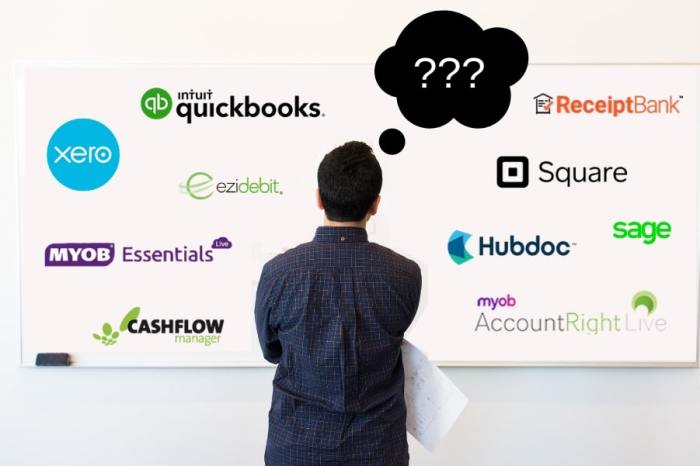
Small Business Accounting Software Simplifying Finances
Small Business Accounting Software is an essential tool for entrepreneurs aiming to manage their finances efficiently. With its ability to streamline processes, enhance accuracy, and provide crucial insights, this software becomes a cornerstone for small business success. In an evolving economic landscape, understanding how these solutions differ from those designed for larger enterprises can significantly impact operational efficiency.
By integrating essential features tailored for small businesses, this software not only saves time but also supports better financial decision-making. From invoicing to tax preparation, this accounting software is designed to address the unique challenges faced by smaller entities, paving the way for sustainable growth.
Introduction to Small Business Accounting Software

Source: exactdn.com
Small business accounting software is a specialized tool designed to help smaller enterprises manage their financial transactions efficiently. It plays a crucial role in ensuring that these businesses maintain their financial health, comply with legal obligations, and make informed decisions based on accurate data. By utilizing accounting software, small businesses can streamline their accounting processes, reduce errors, and save valuable time.The basic features of small business accounting software typically include invoicing, expense tracking, financial reporting, and tax preparation.
These functionalities enable business owners to keep a close eye on their cash flow and understand their financial position at a glance. Unlike larger enterprise accounting systems, which may include complex integrations and customizable modules, small business accounting software is often user-friendly and tailored to meet the straightforward needs of smaller firms, allowing them to focus on their core operations without getting bogged down in sophisticated financial management.
Key Features of Small Business Accounting Software
Understanding the essential features of small business accounting software can help business owners select the right solution for their needs. Here are some key features that are vital for effective financial management:
- Invoicing: The ability to create and send professional invoices quickly, enabling faster payments and better cash flow management.
- Expense Tracking: A feature that makes it easy to record and categorize expenses, ensuring that all financial outflows are monitored and controlled.
- Financial Reporting: Provides users with access to essential reports such as profit and loss statements, balance sheets, and cash flow statements, which are crucial for analyzing business performance.
- Tax Preparation: Simplifies the process of preparing for tax season by keeping records organized and providing necessary reports for tax filing.
- Bank Reconciliation: Helps in matching the business’s bank statements with recorded transactions, ensuring accuracy and completeness in financial data.
The simplicity and focus of small business accounting software differentiate it from systems designed for larger enterprises. Larger businesses typically require robust software capable of handling extensive data sets, multiple currencies, and complex financial regulations, which may not be pertinent for smaller companies. In contrast, small business accounting software prioritizes ease of use, affordability, and essential functionalities, making it an ideal choice for businesses that may not have dedicated accounting staff.
The right accounting software empowers small businesses to gain insights into their financial operations and make data-driven decisions.
Key Features of Small Business Accounting Software
For small businesses, having an efficient accounting software solution is crucial in streamlining financial operations. The right software can help automate tasks, manage expenses, and provide insights into financial health, allowing business owners to focus on growth and customer service. Understanding the key features can guide small businesses in selecting the right software tailored to their specific needs.When evaluating accounting software, certain core features are essential for effective financial management.
Below are the key features that every small business accounting software should include, along with additional functionalities that can further enhance its capabilities.
Essential Features of Small Business Accounting Software
These features form the backbone of any accounting software, providing the necessary tools for day-to-day financial tasks. The following are fundamental attributes that should be present:
- Invoicing: The ability to create, send, and track invoices is vital. Good software allows customization of invoices and automates follow-ups for unpaid bills.
- Expense Tracking: Keeping tabs on expenses is crucial for maintaining a healthy cash flow. Software should enable users to log and categorize expenses easily.
- Bank Reconciliation: This feature simplifies the process of matching transactions recorded in the software with bank statements, ensuring accuracy in financial records.
- Financial Reporting: Comprehensive reporting tools help businesses analyze their financial performance. Essential reports include profit and loss statements, balance sheets, and cash flow statements.
- Tax Management: The software should assist in calculating taxes owed and generating the necessary reports for tax filings, helping businesses stay compliant with regulations.
Additional Features That Enhance Functionality
While the essential features are crucial, additional functionality can greatly enhance user experience and operational efficiency. Consider the following features:
- Multi-Currency Support: For businesses dealing with international clients, the ability to process transactions in different currencies can simplify operations.
- Time Tracking: Integrating time tracking capabilities can help businesses bill clients accurately based on the hours worked.
- Cloud Accessibility: Cloud-based software offers flexibility, allowing users to access financial data from anywhere, promoting collaboration among team members.
- Integrations: Compatibility with other software tools (like CRM systems, e-commerce platforms, etc.) can streamline workflows and improve data accuracy.
- Customer Support: Access to reliable customer support is crucial, especially for troubleshooting and guidance on using the software effectively.
Comparison of Features Offered by Various Software Brands
Different accounting software brands offer varying features that cater to specific business needs. A comparison can help small businesses make informed decisions.
| Software Brand | Invoicing | Expense Tracking | Tax Management | Multi-Currency Support |
|---|---|---|---|---|
| QuickBooks | Yes | Yes | Yes | Yes |
| Xero | Yes | Yes | Yes | Yes |
| FreshBooks | Yes | Basic | No | No |
| Zoho Books | Yes | Yes | Yes | Yes |
The table above highlights key differences in features among popular accounting software brands. By analyzing these features, small businesses can identify which software aligns best with their operational needs.
Benefits of Using Small Business Accounting Software
Small business accounting software is designed to cater specifically to the needs of small enterprises, providing a range of benefits that enhance efficiency and accuracy in financial management. This software not only simplifies day-to-day accounting tasks but also empowers business owners to make informed financial decisions.
Time Savings
One of the most significant advantages of small business accounting software is the substantial time savings it offers. By automating routine tasks such as invoicing, expense tracking, and payroll processing, business owners can focus more on core activities rather than getting bogged down in administrative work. This software typically includes features like batch processing, which enables users to handle multiple transactions simultaneously.
Automating daily accounting tasks can reduce processing time by up to 50%.
For instance, instead of manually entering data into spreadsheets, users can import bank transactions directly into the accounting software, drastically reducing the time spent on reconciliations. Additionally, customizable templates for invoices and reports allow businesses to generate key documents with just a few clicks.
Improved Financial Accuracy
Accuracy in financial reporting is crucial for any small business, and accounting software greatly enhances this aspect. Traditional methods such as pen-and-paper or spreadsheets are prone to human error, which can lead to costly mistakes. Accounting software helps mitigate these risks through automated calculations and built-in checks for data entry errors.
Accurate financial records are vital for sound decision-making and compliance.
Moreover, features such as real-time reporting enable business owners to have a clear, updated view of their financial position. For example, if a business owner wants to assess cash flow, they can instantly generate a report that reflects current financial status, helping them make timely decisions based on reliable data.
Streamlined Tax Processes
Tax season can be overwhelming for small businesses, but accounting software simplifies this process significantly. By maintaining accurate records throughout the year, businesses can easily retrieve necessary information when it’s time to file taxes. Many accounting software solutions offer features that are specifically designed for tax compliance, including tax calculation tools and the ability to categorize expenses correctly.
Quality accounting software can reduce the time spent on tax preparation by up to 30%.
For instance, small business owners can use the software to track deductible expenses, ensuring that they maximize their tax benefits. Additionally, some software packages can directly integrate with tax filing systems, allowing for electronic submissions that further streamline the overall tax process. This not only saves time but also minimizes the chances of penalties due to missed deadlines or inaccuracies.
Selecting the Right Accounting Software

Source: cloudfront.net
Choosing the right accounting software for your small business is crucial for streamlining your financial processes and ensuring accurate record-keeping. With numerous options available, it can be overwhelming to determine which software best fits your business needs. This section will guide you through the essential factors to consider when making your selection, as well as provide a helpful checklist and highlight common pitfalls to avoid.When evaluating different accounting software options, various factors play a significant role in your decision-making process.
These include the software’s features, scalability, user-friendliness, customer support, and pricing. Each of these elements can significantly impact how efficiently you manage your finances and can contribute to your business’s overall success.
Factors to Consider When Choosing Accounting Software
Understanding the key factors for selecting accounting software can help you make an informed choice that aligns with your business goals. The following aspects should be thoroughly considered:
- Feature Set: Ensure the software includes essential features such as invoicing, expense tracking, payroll management, and reporting capabilities.
- User Experience: Look for software with an intuitive interface that simplifies navigation and reduces the learning curve for your team.
- Scalability: Choose software that can grow with your business, allowing for easy upgrades or additional features as needed.
- Integration: Check if the software integrates with other tools or platforms you use, such as e-commerce sites or CRM systems, for seamless operations.
- Support and Resources: Consider the availability of customer support, training materials, and user communities to assist you when issues arise.
- Cost: Assess the pricing structure, including subscription fees, additional costs for features, and potential costs of training.
Checklist for Evaluating Accounting Software
A checklist can simplify the evaluation process and help you narrow down your options. Here’s a comprehensive list to guide your assessment:
- Does the software offer the essential features required for your business?
- Is the software user-friendly and accessible for all team members?
- Can the software scale as your business grows?
- Are there integration options with your current tools?
- What kind of customer support is available?
- Have you reviewed the software’s pricing and any hidden fees?
- What do user reviews and ratings say about the software?
- Is there a trial period or a demo available for testing the software?
- Does the software comply with relevant accounting standards and regulations?
Common Mistakes to Avoid When Selecting Software
Avoiding common pitfalls can save you time and resources when selecting the right accounting software. Here are frequent mistakes that small business owners make:
- Overlooking Future Needs: Many businesses choose software based solely on current requirements without considering future growth or additional needs.
- Ignoring User Feedback: Failing to involve team members or stakeholders in the evaluation process can lead to selecting software that doesn’t meet everyone’s needs.
- Focusing Solely on Price: Prioritizing cost over functionality may result in selecting inadequate software that doesn’t support your business operations effectively.
- Neglecting Data Security: Not considering the software’s security features can put your sensitive financial data at risk.
- Rushing the Decision: Making hasty decisions without adequate research and testing can lead to regrettable outcomes.
Pricing Models for Small Business Accounting Software

Source: com.au
Determining the right pricing model for small business accounting software is crucial for managing costs effectively. With various options available, it’s important to understand how each pricing structure aligns with your business needs and budget.There are generally two prominent pricing models for accounting software: subscription-based and one-time purchase. Each model has its own set of advantages and considerations, which can significantly impact your decision.
Pricing Models Explained
Subscription-based models typically require monthly or annual payments, providing ongoing access to updates and support. This model is beneficial for businesses that prefer predictable budgeting and the ability to scale services as needed. On the other hand, a one-time purchase model requires a larger upfront investment but allows users to own the software indefinitely. The table below illustrates a comparison of popular small business accounting software options based on their pricing models, costs, and key features:
| Software | Pricing Model | Cost (Monthly/One-Time) | Key Features |
|---|---|---|---|
| QuickBooks Online | Subscription | $25 – $180 | Invoicing, Expense Tracking, Tax Preparation |
| Xero | Subscription | $13 – $70 | Bank Reconciliation, Invoicing, Inventory Management |
| Wave | Free (with paid add-ons) | Free | Invoicing, Receipt Scanning, Accounting |
| Sage 50cloud | One-Time Purchase | $340 – $800 | Advanced Reporting, Inventory Management, Payroll |
When selecting the best value for your small business, consider these key insights:
-
Assess your business needs: Consider the specific features that are essential for your operation and how often you will use them.
-
Evaluate total cost of ownership: Look beyond just the upfront cost; consider the potential expenses for updates, support, and additional features.
-
Consider scalability: Choose software that can grow with your business, allowing you to upgrade plans or features easily.
-
Check for trial versions: Many software providers offer free trials; utilize these to test the software before committing financially.
Understanding these pricing models and considerations can empower small business owners to make informed decisions, ensuring that they invest in software that not only meets their current needs but also supports future growth.
Integration with Other Business Tools
Integrating accounting software with other business applications is crucial for streamlining operations and enhancing productivity. Modern businesses rely on various tools to manage different aspects of their operations, and accounting is a core function that can benefit significantly from integration. By connecting accounting software to other business applications, companies can ensure that data flows seamlessly between systems, reducing manual entry, errors, and the time spent on administrative tasks.Seamless integration can lead to improved efficiency and better decision-making by providing a unified view of the business.
For instance, when accounting software is linked to Customer Relationship Management (CRM) systems, sales data can be automatically reflected in financial reports without the need for manual updates. This not only saves time but also ensures that financial data is current and accurate.
Common Integration Tools
Various tools commonly integrate with accounting software, enhancing its functionality and the overall effectiveness of business processes. Some of the key integrations include:
- CRM Software: Tools like Salesforce or HubSpot synchronize customer data with accounting, enabling accurate invoicing and cash flow management.
- Payment Processors: Platforms such as PayPal, Stripe, or Square can directly link to accounting systems, streamlining payment tracking and reconciliation.
- E-commerce Platforms: Integrating with online store platforms like Shopify or WooCommerce allows for automatic updates of sales transactions and inventory levels.
- Project Management Tools: Applications like Asana or Trello can connect to track project-related expenses and budgets, facilitating better financial oversight.
- Payroll Systems: Integrating payroll software ensures that employee compensation is accurately reflected in financial records, simplifying tax compliance and reporting.
The advantages of employing an all-in-one solution versus standalone software are significant. An all-in-one solution combines multiple functionalities into a single platform, providing a comprehensive approach to business management. This integration reduces the need to juggle multiple software solutions, which can lead to data silos and inconsistencies. Some benefits of an all-in-one solution include:
- Centralized Data Management: All data is stored and managed in one place, reducing discrepancies and ensuring that everyone in the organization has access to the same information.
- Enhanced Collaboration: Teams can easily share and collaborate on data, as all members have access to the same system and tools.
- Cost Efficiency: Bundling services often comes at a lower cost than purchasing multiple standalone applications, thereby saving on licensing fees and reducing overall operational costs.
- Improved Reporting and Analytics: Having all data integrated enables more robust reporting capabilities, allowing businesses to generate insights and make data-driven decisions more effectively.
Security Considerations
In the digital age, the security of financial data is paramount for any small business. Accounting software handles sensitive information, including financial records, personal data, and payment details. Choosing reliable accounting software with robust security features is essential to protect your business from unauthorized access and data breaches. A focus on security not only safeguards your data but also builds trust with your clients and stakeholders.
Essential Security Features in Accounting Software
Reliable accounting software should have a range of security features designed to protect sensitive financial data. These features are crucial for ensuring that your business is safe from cyber threats and data loss. Key security elements to look for include:
- Encryption: Data encryption ensures that sensitive information is converted into a secure format, making it unreadable to unauthorized users. This is particularly important for online transactions.
- Multi-Factor Authentication (MFA): MFA adds an extra layer of security by requiring users to provide two or more verification factors before gaining access to the software.
- Regular Security Updates: Reliable software providers frequently update their systems to protect against new vulnerabilities. Check if the software includes automatic updates.
- User Access Controls: This feature allows you to set permissions for different users, ensuring that only authorized personnel have access to sensitive information and functions.
Importance of Data Protection and Backup Options
Data protection is a vital component of accounting software. Having solid backup options helps to safeguard your financial data against accidental loss or cyber-attacks. Here are some key aspects to consider regarding data protection:
- Automatic Backups: Look for software that offers automatic backups to secure cloud storage. This ensures your data is regularly backed up without manual intervention.
- Remote Backup Solutions: Evaluate options that provide off-site backups, which can be crucial in the event of hardware failure or natural disasters.
- Data Recovery Solutions: Check that the software has robust data recovery options, enabling you to recover lost data quickly and efficiently if required.
Ensuring Compliance with Financial Regulations, Small Business Accounting Software
Compliance with financial regulations is essential for avoiding legal penalties and ensuring the integrity of your financial reporting. Reliable accounting software should help facilitate compliance with local and international regulations. Here are methods to ensure compliance:
- Audit Trails: Choose software that maintains detailed audit trails. These logs document every transaction and modification, providing transparency and accountability.
- Regulatory Updates: Ensure that the software is updated to comply with the latest financial regulations, including tax laws and accounting standards.
- Integration with Tax Software: Integration capabilities with tax preparation tools can facilitate accurate and timely tax submissions, reducing the risk of non-compliance.
User Experience and Support
In the realm of small business accounting software, user experience (UX) and support are paramount for fostering efficiency and satisfaction. A software solution that is intuitive and accessible allows users to navigate seamlessly through complex accounting tasks. This ultimately contributes to a more productive workflow and reduces the learning curve for new users. The significance of a user-friendly interface cannot be overstated.
A clean, straightforward design ensures that users can quickly find functionalities without feeling overwhelmed. This is especially essential for small business owners who may not have extensive accounting backgrounds. The easier the software is to use, the more likely users are to take full advantage of its features, leading to more accurate financial management.
Types of Customer Support Offered
When selecting accounting software, understanding the types of customer support available is crucial. Different providers offer varying levels of support, which can greatly impact the user experience. Common support options include:
- Email Support: Many software providers offer email support for users to raise issues or inquiries. This method allows for detailed explanations but can sometimes lead to longer response times.
- Phone Support: Real-time assistance via phone can be invaluable for urgent queries, offering immediate solutions, especially during critical accounting periods.
- Live Chat: Many modern software solutions provide live chat support, enabling users to receive instant help while they navigate the software.
- Knowledge Base: A comprehensive online knowledge base or FAQ section can empower users to find answers to common questions independently, reducing the need for direct contact.
- Community Forums: Some providers host community forums where users can share experiences and solutions, fostering a collaborative support environment.
User reviews and ratings can serve as a barometer for assessing customer satisfaction levels with the support offered. Checking reputable review platforms reveals insights into how responsive and effective the support teams are across different software options.
User Reviews and Satisfaction Levels
Analyzing user reviews is an effective strategy for understanding the overall satisfaction levels associated with various accounting software. Reviews often detail firsthand experiences with the software’s usability, support responsiveness, and any challenges encountered. Certain features in reviews to consider include:
- Ease of Use: Users frequently comment on how intuitive the software is. Positive feedback often highlights quick navigation and simplicity in executing tasks.
- Response Time: Reviews that mention how quickly support teams address inquiries are indicative of a well-supported product.
- Resolution Effectiveness: Users frequently share whether their issues were resolved satisfactorily and if they felt supported throughout the process.
- Overall Satisfaction: General ratings give a snapshot of user happiness with the software, allowing potential buyers to gauge how well the software meets expectations.
By comprehensively examining user feedback, small business owners can make informed decisions about which accounting software will provide not only the necessary features but also the support needed for effective use.
Future Trends in Small Business Accounting Software
As the business landscape evolves, so does the technology that supports it. Small business accounting software is at the forefront of this change, increasingly harnessing technological advancements to streamline financial management. The future of accounting software promises not only enhanced efficiency but also innovative solutions tailored to the unique needs of small businesses.The integration of artificial intelligence (AI) and machine learning into accounting software represents a significant shift in how small businesses manage their finances.
AI can automate routine tasks, such as data entry and invoice processing, allowing business owners to focus on strategic decision-making. These advancements are set to revolutionize accounting practices, providing deeper insights and more predictive financial analytics.
Advancements in Accounting Software Technology
The landscape of accounting software technology is rapidly changing, driven by several key advancements that small businesses should pay attention to. These advancements are enhancing functionality, efficiency, and user experience.
- Cloud Computing: Cloud-based accounting solutions are becoming the norm, enabling real-time access to financial data from anywhere. This flexibility supports remote work and collaboration, crucial for today’s business environment.
- AI Integration: The integration of AI allows for smarter data processing, enabling features such as automated reconciliation and predictive analytics. This helps businesses anticipate trends and make informed decisions.
- Mobile Applications: Increasingly, accounting software is accessible via mobile apps, making it easier for business owners to manage their finances on the go. This trend supports a more agile business model.
- Blockchain Technology: While still emerging, blockchain is expected to enhance security and transparency in transactions. This can significantly impact trust and efficiency in financial processes.
Impact of Artificial Intelligence on Small Business Accounting
Artificial intelligence is reshaping small business accounting by enhancing automation and data analysis capabilities. AI-driven tools can identify patterns in financial data, helping businesses optimize cash flow and manage expenses more efficiently. The impact of AI can be seen in various applications:
- Automated Bookkeeping: AI can handle repetitive tasks like data entry, reducing human error and saving time.
- Advanced Reporting: By analyzing historical data, AI can generate insightful reports that help business owners make proactive financial decisions.
- Fraud Detection: AI systems can monitor transactions in real time, identifying unusual activities that may indicate fraud.
Emerging Trends for Small Businesses to Watch
As small businesses navigate the future of accounting software, several trends are emerging that warrant attention. Being aware of these trends can help businesses remain competitive and ensure they are leveraging the best tools available.
- Integration with Other Business Tools: Seamless integration with tools like CRM and project management software is becoming essential for a holistic view of business operations.
- Enhanced User Experience: An intuitive user interface and user-friendly features will continue to be a priority, as software vendors look to minimize the learning curve for users.
- Focus on Security: With increasing cyber threats, accounting software must prioritize robust security measures to protect sensitive financial data.
- Subscription-Based Pricing Models: Flexible pricing options, such as subscription models, will likely gain popularity, making advanced features accessible to smaller businesses without hefty upfront costs.
Case Studies and User Experiences
Small businesses often face numerous challenges when it comes to managing their finances, and the introduction of accounting software can significantly transform their operations. In this segment, we will explore real-world examples of small businesses that have successfully implemented accounting software, the positive impact it has had on their operations, and the challenges they encountered during the transition process.
Successful Implementations of Accounting Software
Numerous small businesses have leveraged accounting software to streamline their operations and improve financial management. One notable case is that of a boutique retail store, “Chic Boutique,” which adopted a comprehensive accounting solution to manage its inventory and sales tracking more effectively. Prior to implementing the software, the store struggled with manual bookkeeping, leading to errors and inefficiencies. After the transition, Chic Boutique reported a 40% reduction in time spent on financial tasks and increased accuracy in sales reporting.Another example is “Fresh Eats,” a small catering service that integrated accounting software to handle invoicing and expense tracking.
With real-time financial insights available at their fingertips, the owners of Fresh Eats were able to identify profitable catering packages and adjust their pricing strategies accordingly. This led to a 25% increase in revenue within the first year of using the software.
User Testimonials
User experiences provide valuable insight into the effectiveness of accounting software. Testimonials from small business owners highlight the transformative effects of these tools:
“Switching to accounting software was a game-changer for our business. We now have a clear view of our financial health, and our team can focus more on growth rather than getting lost in paperwork.”
Lisa, Owner of Chic Boutique
“The software helped us automate our invoicing process, which has saved us countless hours. Our clients appreciate the professional appearance of our invoices, and we receive payments faster.”
Tom, Co-Founder of Fresh Eats
Challenges Faced During Transition
While the benefits of accounting software are evident, small businesses often encounter challenges during the transition process. Here are some common hurdles and how businesses have successfully navigated them:The initial learning curve can be steep for business owners and employees unfamiliar with the software. Chic Boutique addressed this by investing in training sessions for all staff, ensuring everyone was comfortable using the new system.
Data migration can pose significant challenges, particularly for businesses with a large amount of historical financial data. Fresh Eats tackled this by hiring a consultant to assist with data transfer, ensuring accuracy and completeness during the process.Resistance to change is another common issue. To overcome this, both Chic Boutique and Fresh Eats involved their teams in the decision-making process, which helped to foster a sense of ownership and ease the transition.In conclusion, case studies and user experiences underline the profound impact accounting software can have on small businesses.
By sharing these stories, we provide a clearer picture of the potential benefits and challenges that come with adopting such technology.
Closing Notes
In conclusion, Small Business Accounting Software plays a pivotal role in simplifying financial management and fostering business growth. As we navigate through the various features, benefits, and future trends, it’s clear that selecting the right software can lead to enhanced productivity and better financial health. Embracing these tools not only streamlines operations but also provides small businesses with the competitive edge needed in today’s market.
Essential FAQs
What is small business accounting software?
It’s a tool designed specifically to help small businesses manage their financial operations efficiently.
How does it differ from accounting software for larger businesses?
It typically includes features tailored for the needs and budget of small businesses, unlike software designed for larger enterprises which may include more complex functionalities.
Can small business accounting software handle invoicing?
Yes, most small business accounting software includes invoicing features that allow users to create and send invoices easily.
Is cloud-based accounting software more secure?
Cloud-based solutions often provide robust security measures, including data encryption and regular backups, making them a secure choice for many businesses.
Can I integrate accounting software with other business tools?
Yes, many small business accounting software options offer integration capabilities with other tools like payment processors and inventory management systems.